Grand Rapids Canadians Trying Register U.S. Trademarks Lawyer
Are you a Canadian brand owner looking for a U.S. trademark attorney in Grand Rapids, MI?
At Trademark Lawyer Law Firm, we have a trademark practice built on 17 years of client representation. If your Canadian company sells food, beverages, furniture, or apparel to American consumers, your name is competing for space on a register that is already crowded in those categories. Getting on that register requires a U.S.-licensed attorney, because the USPTO does not accept applications signed by owners based outside the country. Our founder has practiced trademark law since 2008, and the firm's filings have produced thousands of U.S. registrations. Bring your questions to a
Grand Rapids, MI Canadians trying register U.S. Trademarks lawyer when you contact us for a consultation.
Canadians trying register U.S. Trademarks lawyer Grand Rapids, MI
The Grand Rapids, Wyoming, and Kentwood metropolitan area exported $6.5 billion in goods during 2024, ranking second among Michigan metro areas behind only greater Detroit, according to
Michigan export data from the Office of the U.S. Trade Representative. West Michigan companies reach consumers well beyond the state, and Canadian companies selling into the same retail and distribution channels face the same registration questions their American competitors do. A U.S.
trademark attorney for Canadian applicants files and defends federal applications for owners whose businesses sit outside the United States. The work covers more than the initial filing. Registration can be opposed before it issues and cancelled after it issues, and a Canadian owner needs American counsel at every one of those stages. A registration in Canada does not carry rights across the border.
Types of U.S. Trademark Matters We Handle for Canadian Clients in Grand Rapids
Consumer categories such as beverages, packaged food, and apparel hold large numbers of existing U.S. registrations. That density raises the odds of a refusal during examination and of an objection from a competitor after the mark is published.
- Trademark registration. We prepare and file federal applications for Canadian companies and carry them through examination. Part of that work is writing the description of goods so it covers what the company sells without reaching into categories it does not occupy. An overbroad description invites conflicts that a narrower one would have avoided.
- Opposition and cancellation. After a mark is published, another business may formally object. After it registers, another business may petition to cancel it. Our TTAB litigation work covers both proceedings, on either side.
- Cease and desist correspondence. Many disputes resolve without a filing. We prepare cease and desist letters for Canadian owners whose names are being used here, and we respond when a Canadian client receives one.
- Beverage and distillery brands. Alcohol brands carry labeling requirements alongside trademark questions, and category names for wine, beer, and spirits are frequently refused as descriptive. We handle applications for breweries and distilleries entering the U.S. market.
- Apparel and retail brands. Clothing is one of the most heavily registered categories at the USPTO, which means close matches appear often in a search. Our work for clothing and retail companies includes clearing names before a season launches and before inventory carries the label.
- Medical device and health brands. Product names in regulated fields answer to more than one agency. We file for medical devices and related health products sold into the United States.
- New company names. Canadian founders expanding south often need the name settled before investors or distributors commit. We work with entrepreneurs and startups on clearance and filing together.
- Renewals and maintenance. A registration ends if the required documents are missed. Our trademark renewals work tracks those deadlines for owners managing marks in two countries.
- Protection beyond the United States. Canadian owners often want coverage in several markets at once, and our international trademark services address filings outside both countries.
Why Choose Trademark Lawyer Law Firm as my U.S. Trademark Lawyer in Grand Rapids, MI?
Handling Oppositions and Cancellations
An application that clears examination can still be opposed by another company before it registers. Those disputes go to an administrative tribunal inside the USPTO rather than to a courtroom, and
TTAB proceedings follow their own rules of procedure and evidence. Our practice appears in those matters, both for owners defending an application and for owners challenging someone else's. The broader record includes:
- More than 7,000 registered trademarks
- Thousands of applications filed with the USPTO
- Office action responses across the full range of refusal grounds
- Participation in proceedings before the Trademark Trial and Appeal Board
Our Founder and Our Fee Terms
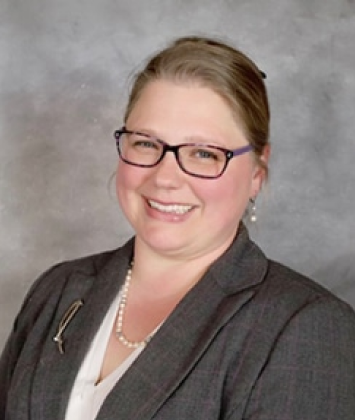
J.J. Lee opened this practice in 2008 and works in trademark registration, brand protection, and enforcement. He completed his law degree at Ave Maria School of Law in 2005 and his undergraduate degree at UCLA in 1994. He is a member of the
State Bar of Michigan and holds admission to the federal district courts covering both halves of the state, including the Western District that sits in Grand Rapids. Registration and office action work carries a flat fee quoted before we start, and consultations are free. Canadian owners seeking broader coverage can work with our
trademark lawyer in Grand Rapids, MI.
Understanding U.S. Trademark Registration for Canadian Applicants
What Are Important Aspects of a U.S. Trademark Application?
The application itself is short. What determines the outcome is the material behind it: whether the name is distinctive enough to register, whether an earlier registration covers similar goods, and whether the goods description matches what the company actually sells. Canadian owners run into a fourth issue that domestic applicants never see, which is the requirement to appoint American counsel based on where the owner is domiciled. A company that files without doing so receives a refusal on that ground alone, regardless of how strong the name is. Distinctiveness deserves separate attention, since
common law rights can exist in the United States without registration and may belong to a business you have never heard of.
What Is The U.S. Trademark Registration Timeline?
Registration follows a fixed sequence, and the timing depends heavily on whether anyone objects.
- Examination begins several months after filing, and the interval moves with the office's workload.
- A refusal or requirement from the examining attorney starts a response deadline running from the date of the letter.
- Publication opens a window during which any business claiming harm may file an opposition.
- An unopposed application registers, or receives a notice of allowance if it was filed on planned rather than current sales.
- Maintenance documents fall due at set intervals, and renewing a trademark on schedule is what keeps the registration alive.
How a Registration Is Challenged
Two formal procedures exist for attacking a mark, and both run through the same board.
- Opposition. Filed during the publication window, before registration issues, by a business claiming it would be damaged.
- Cancellation. Filed after registration, on grounds including abandonment or a conflict with earlier rights.
- Grounds. The most common is likelihood of confusion with an earlier mark, followed by claims that the name merely describes the goods.
- Evidence. Both proceedings involve written discovery, documents, and testimony, similar to a civil case though decided on the record.
- Scope of the ruling. The board decides whether a mark may be registered. It does not award money or order a company to stop selling.
Registration also does not stretch past the categories claimed, and
international classes determine those boundaries. Two companies can hold the same word as a registered mark when their goods are far enough apart that buyers would not assume a shared source. That principle explains why a search sometimes returns an identical name and still leaves a path forward, and why a similar but not identical name can block an application outright. The comparison turns on the goods and the buyers, not on the spelling alone.
What Should You Bring to Your Trademark Consultation?
Assembling a few items in advance lets us give you a more precise answer.
- Your Canadian registration or application number
- Images of the name on packaging, labels, or the products themselves
- The date American sales began, if they have
- A list of the goods and services offered or planned for the United States
- Any opposition, cancellation, or demand letter you have received
Consultations are free and take place by phone or video. We will tell you how crowded your category is, what the application will likely encounter, and what the work will cost.
Grand Rapids Federal Court and Michigan Trademark Resources
Trademark suits arising in western Michigan are filed in the
Western District of Michigan, which sits in the Gerald R. Ford Federal Building on Michigan Street in Grand Rapids. Registration disputes themselves go to the board inside the USPTO rather than to that courthouse. The agency maintains a page of
USPTO Michigan resources listing designated libraries and regional support across the state. Companies planning a U.S. expansion can also reach the
U.S. Commercial Service office in Grand Rapids, which advises Michigan businesses on international trade.
Reach Out to Trademark Lawyer Law Firm to Schedule a Consultation
An application filed in a crowded category faces examination and, after publication, the possibility of an objection from another owner. Federal registration is what lets a Canadian brand hold its name against an American competitor.
Contact us to schedule a free consultation with a Grand Rapids, MI trademark attorney. We will assess the name, explain what stands in its way, and quote a flat fee before any work begins.